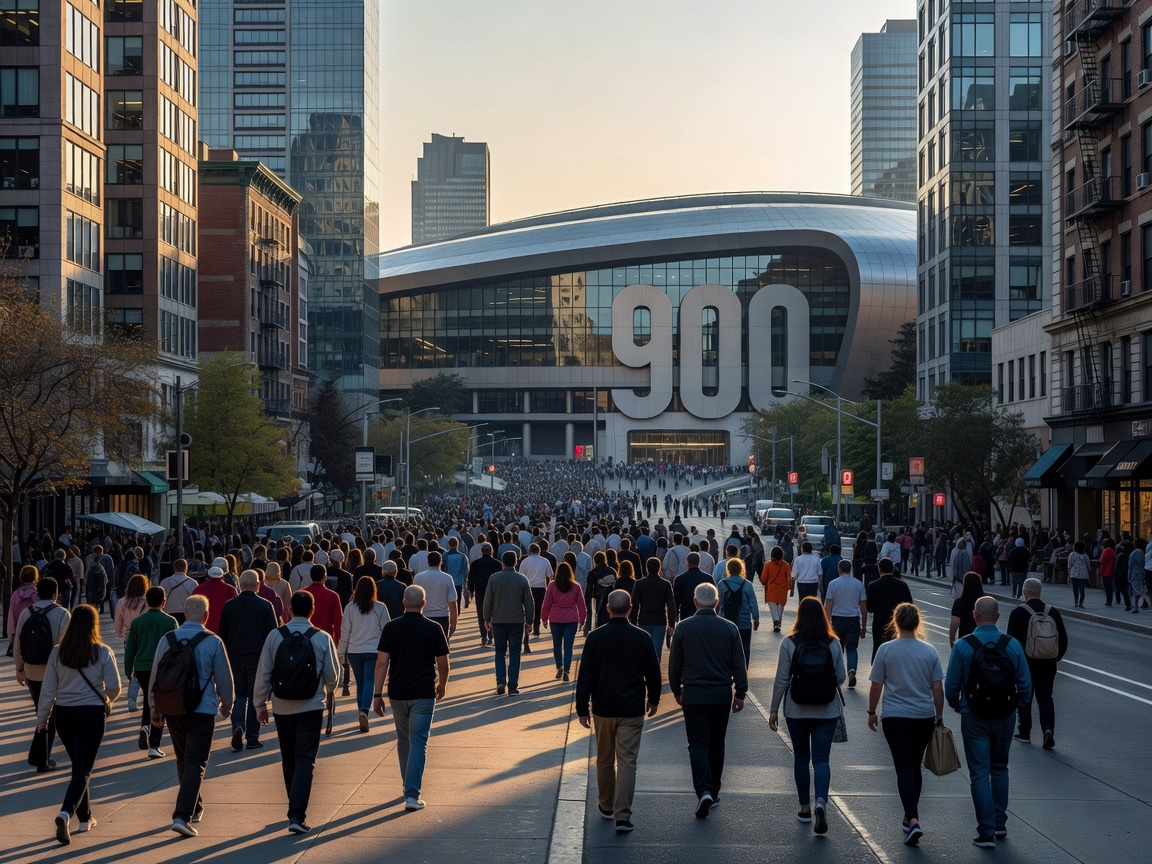
The matchday city experience is a sequence of ordinary and event-specific places: a transit connection, a walk through a neighborhood, a pause in a public space and the approach to an entrance. Understanding that sequence makes a visit more manageable and more respectful. The details vary from city to city and from event to event, so general advice should always be paired with current official information.
Begin with the journey, not the gate
Before travelling, identify the stadium’s official visitor guidance and the transport information for the date of the event. Routes, service patterns, road arrangements and access procedures can change. Avoid relying on old schedules, assumed travel times or informal directions that may be out of date. If you need a specific accessibility arrangement, check the venue and transport providers directly.
Think about the entire journey from your starting point, including transfers, walking sections and the return trip. Keep a backup option in mind where practical, but do not assume that a route available on an ordinary day will operate in the same way around an event. Current information matters most for the final approach and post-match movement.
Observe the streets around the ground
Stadium approaches can pass through residential streets, commercial areas, transport corridors or newer public spaces. Each setting has a different rhythm. Notice how pedestrians share space, where routes narrow, and how the stadium’s presence changes the street without assuming that every nearby business serves match visitors. The district remains part of the city before, during and after a fixture.
Public spaces may become meeting points or temporary circulation areas, but their role and access conditions depend on local arrangements. Follow signs and steward instructions. Do not block entrances, private access or paths intended for residents and people with mobility needs. Simple choices can make busy areas more comfortable for everyone.
Food, cafés and pre-match routines
Food and drink can be part of a matchday routine, but it is better to approach local provision as an aspect of neighborhood life rather than a guaranteed attraction. Businesses may change their hours, menus or event-day policies. We do not provide unverified venue recommendations or opening times; check business information directly if a stop is important to your plans.
Some people arrive early, others travel close to the start, and many have routines shaped by work, family or access needs. There is no single correct matchday schedule. Allowing a sensible margin can reduce stress, but the appropriate timing depends on the event and current entry instructions. Follow the information issued by the club or stadium operator.
Entry, access and shared responsibility
Review the venue’s current bag, security, entry and accessibility guidance before setting out. Requirements can differ, and a general article cannot replace event-specific instructions. Keep relevant documents available, use the correct entrance and ask staff for help if you need assistance. If you are attending with someone who has access requirements, confirm arrangements through official channels in advance.
Respect residential privacy and local rules around photography. Avoid photographing people in ways that make them feel singled out. Be aware of crowd movement and give space to those who need a clear route. The stadium experience is shared, but not everyone arrives with the same mobility, familiarity or comfort in a crowd.
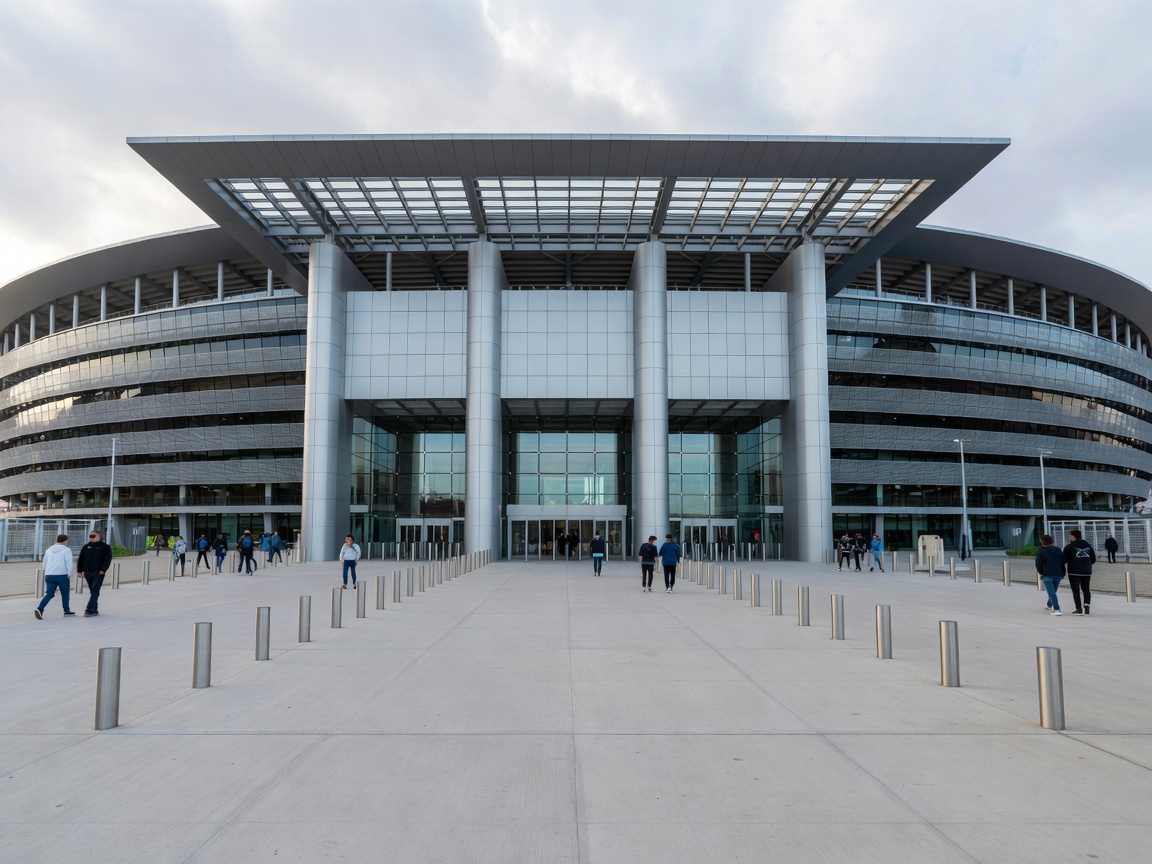
After the final whistle
Post-match movement can be busy and direction can matter. Check current return transport details, follow temporary signs and allow time for dispersal. If meeting others, choose a clear and appropriate meeting point rather than blocking a doorway or transit route. A simple plan can help groups stay together without rushing through a crowded space.
Consider the effect of your visit on the neighborhood as you leave. Use public bins where available, keep noise in perspective in residential areas and follow local guidance. Responsible travel is not complicated; it means treating matchday streets as shared places rather than as an extension of the stadium.
Before you go
- Check official event and venue information.
- Confirm current transport and accessibility details.
- Plan the return journey as carefully as the outward route.
- Allow flexibility for changing conditions.
What to notice
Street connections, pedestrian space, the relationship between transport and entrances, and how the district continues its everyday life.
A practical comparison: arrival and departure
ARRIVAL
Find the right approach
Use current entry directions, notice the neighborhood and leave time to reach the correct gate without rushing.
DEPARTURE
Move with care
Check return services, follow local instructions and avoid obstructing routes used by residents or other visitors.
General guidance is not live travel advice
This guide describes useful ways to think about a visit, not current schedules, ticketing, prices or opening hours. Those details can change and should be confirmed with the relevant official provider for the date of travel. A little preparation leaves more attention for the city itself.