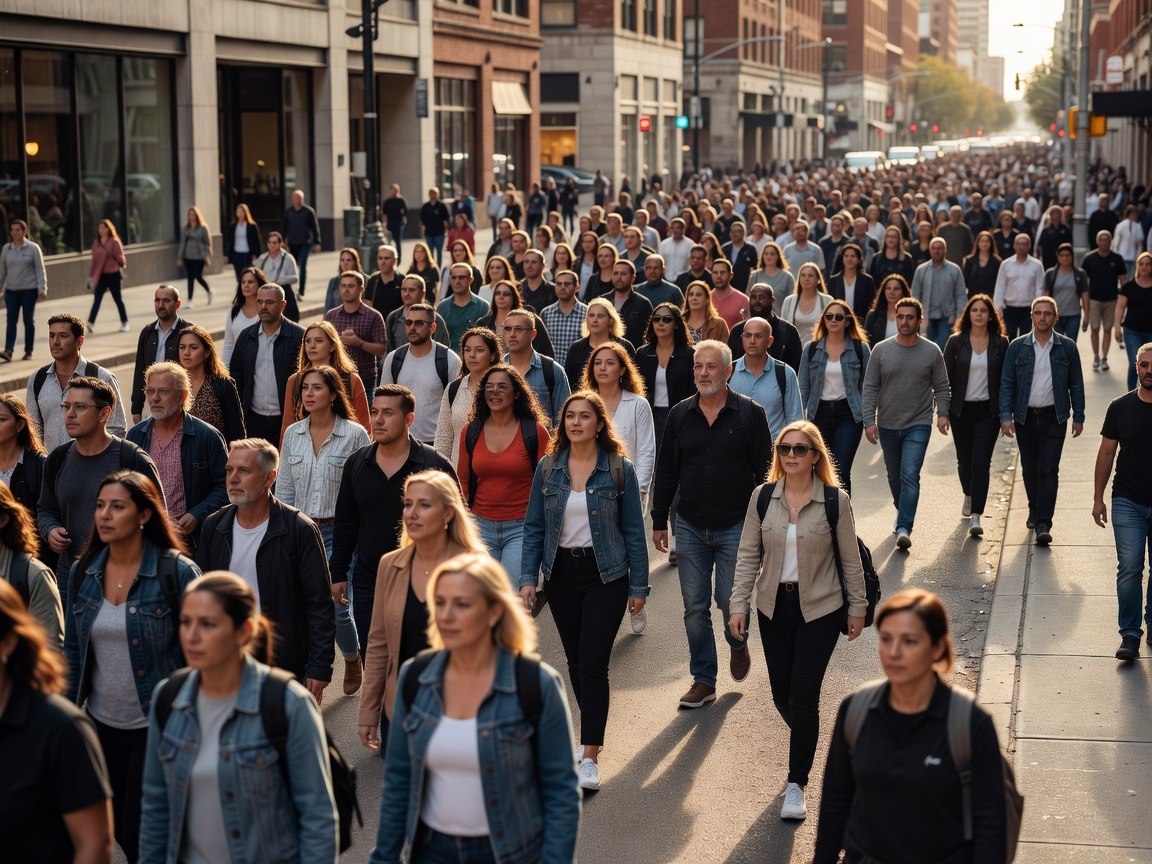
Supporters help make football a social and cultural practice, but no group speaks with one voice. People connect to clubs in different ways—through family, friendship, neighborhood, work, migration, personal experience or a combination of influences. A thoughtful account treats that diversity as fundamental rather than as an exception.
Identity takes more than one form
Local football identity may be tied to a district, a city, a wider region or a history that crosses current boundaries. For some supporters, the connection is inherited; for others, it begins later in life. People may follow more than one team, support a club from afar or feel close to the game without identifying with a particular side. These experiences can coexist in the same community.
It is tempting to describe an entire city through a single rivalry or a simplified social divide. Such shortcuts rarely capture the nuances of local life. Rivalries and affiliations have histories, but their meanings can change by generation and individual circumstance. Strong editorial work distinguishes well-supported historical context from broad assumptions about how people think or behave.
Ritual, sound and visual language
Matchday can bring together repeated routines, songs, colors, banners and gestures. These forms of expression are created by particular groups and moments; they should not be presented as universal customs unless reliable sources support that claim. Traditions can be shared, debated, adapted or left behind. The same symbol may carry different meanings for different people.
Sound and visual atmosphere also depend on context: the venue, the occasion, the people present and the wider circumstances of a match. A photograph or short clip cannot represent every experience. Visitors can observe with curiosity while respecting personal space, photography boundaries and the fact that public gathering is not an invitation to treat people as scenery.
Community relationships beyond matchday
Football organizations and supporters may contribute to charitable activity, youth programs, social networks and neighborhood life, though the scope and structure vary widely. Local businesses can also be part of the matchday economy, from cafés and shops to services used by residents and visitors. The relationship is not always straightforward: event-day demand can bring trade while creating pressure on streets, services or nearby homes.
Intergenerational connections often help explain why football carries meaning beyond the result. Stories, objects and routines may travel within families or friendship networks. At the same time, a younger generation may build a different relationship with the club, shaped by changing media, prices, urban life or the ways people gather. Continuity and change belong in the same account.
Community benefit, commercialization and change
Football can offer shared identity and social connection, but those benefits do not remove questions about power and access. Ticketing, sponsorship, broadcasting and redevelopment can reshape how clubs relate to supporters and neighborhoods. Tourism may bring visitors and attention while placing additional demand on local public spaces. The effects are specific to context; blanket claims about either harm or benefit are not useful.
Commercial growth can make the game more visible and provide resources, yet it may also make some forms of participation less accessible. Local communities are not uniform in their opinions. Listen for differences between supporters, residents, businesses and public institutions, and be clear about whose perspective a source represents.
Differences across cities and countries
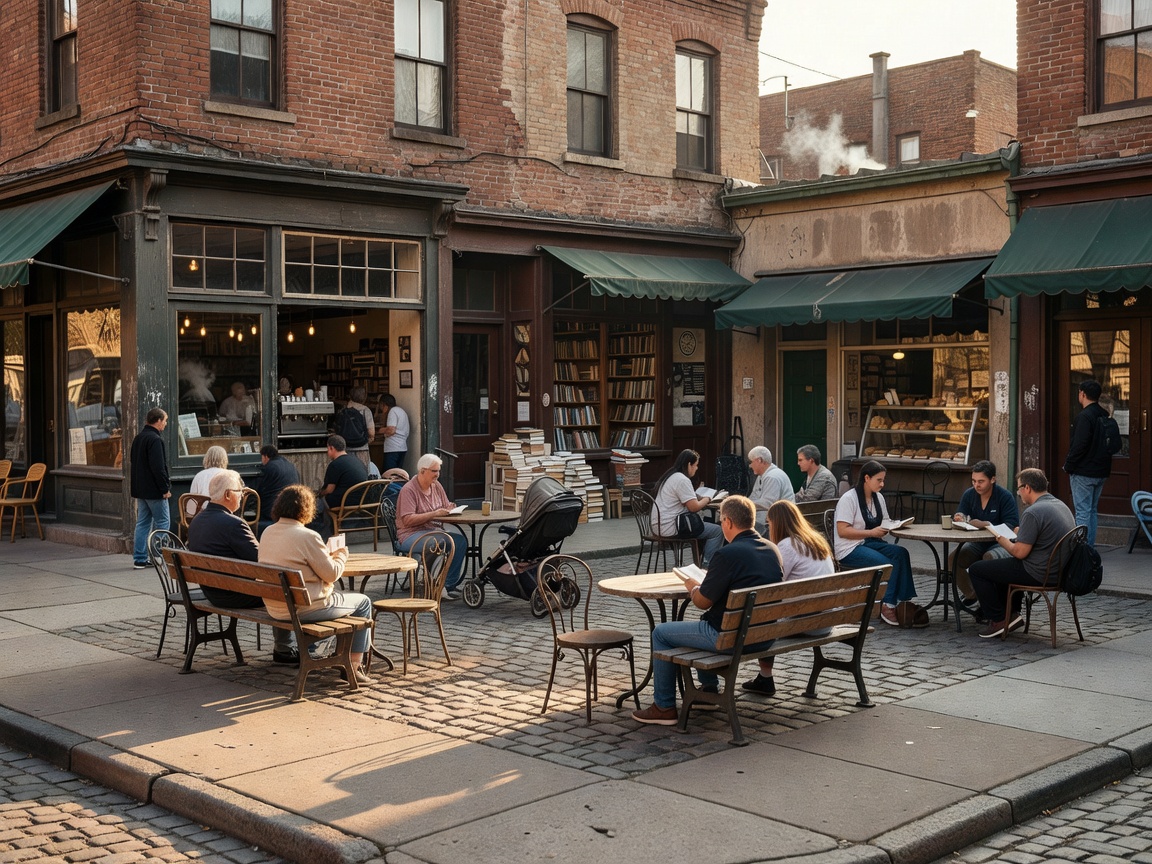
Supporter cultures vary because social histories, club structures, stadium arrangements and local customs vary. A practice that is meaningful in one setting may have no equivalent elsewhere. Avoid treating nationality as a shortcut for behavior, and resist descriptions that turn communities into stereotypes. More useful questions concern how a practice developed, who participates and what it means to the people involved.
For visitors, learning a few reliable facts about a club and its local context can help avoid careless assumptions. Respect restrictions around photography and stadium conduct, follow event guidance and remember that neighborhood streets remain lived-in places. If a custom is not clear, it is better to ask through appropriate public sources than to invent an explanation.
COMMUNITY CONNECTION
Shared belonging
Football can sustain relationships, memories and civic activity. Its meaning depends on who participates and how local needs are represented.
COMMERCIAL PRESSURE
Changing access
Growth and attention can bring resources but also raise questions about affordability, tourism pressure and who feels welcome.
Good to know
A supporter tradition may be specific to a club, group, match or generation. Do not generalize it to every supporter or resident.
What to look for
Notice who uses a space, how football relates to local businesses and which voices appear in accounts of community identity.
Write and observe with care
Culture is not a decorative layer around the sport. It is made through relationships, disagreement and change. Describe what sources can establish, separate interpretation from fact and avoid claiming firsthand conversations or experiences that did not take place. That approach gives supporters room to be people rather than symbols.