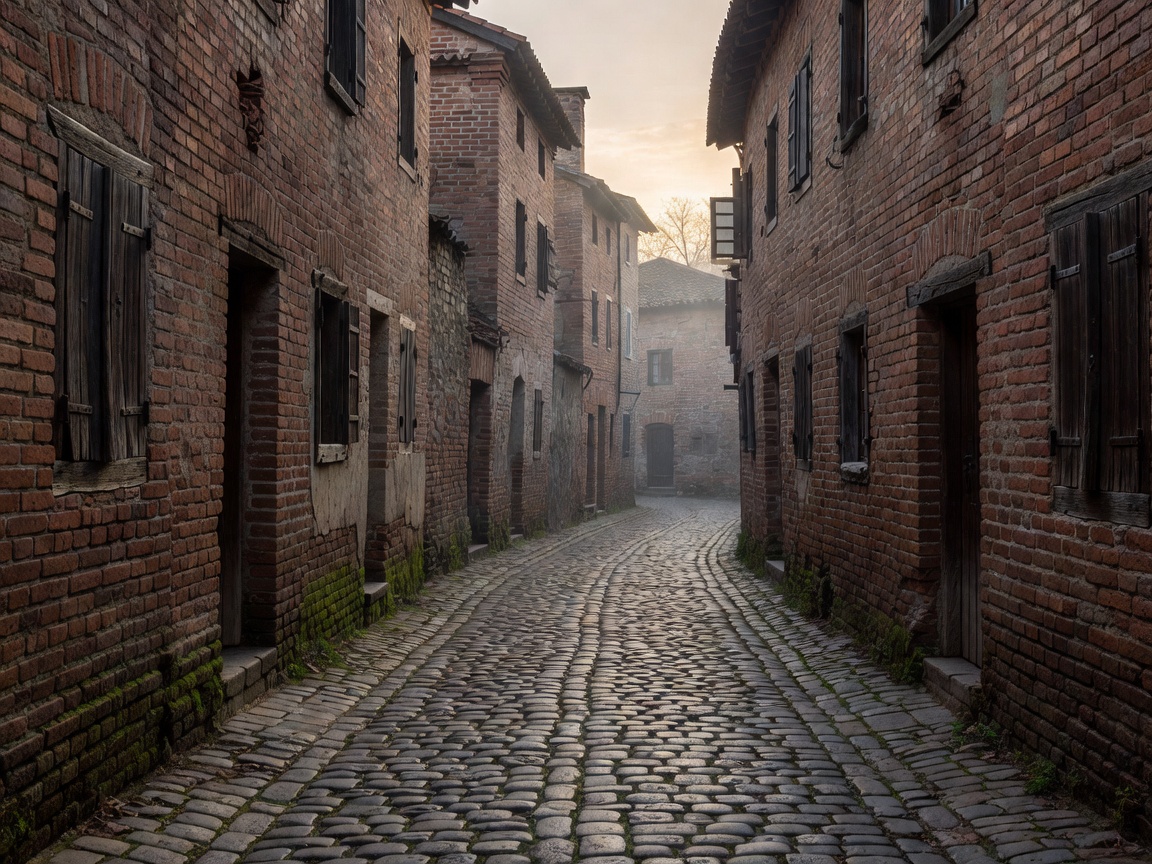
Historic football districts are not museum pieces. They are places where club identity, local architecture and wider urban change meet. An old ground may remain at the heart of a neighborhood, or a club’s story may continue after the physical setting has changed. In either case, memory and place are related but not identical.
Football and the older city
Many clubs developed as cities grew and work, housing and transport changed. In some places, football became closely associated with industrial life, dense residential districts or expanding urban communities. This is a broad historical pattern, not a universal origin story. Local histories differ, and specific claims about a club, ground or community should be supported by reliable sources.
Architecture offers clues to how a district developed. Street widths, building materials, former commercial premises and transport infrastructure can reveal different phases of urban growth. Nearby features should not be assigned a football connection without evidence, but they can help frame questions about how people reached a ground and how the city changed around it.
Old grounds, relocation and memory
A ground can become part of a neighborhood’s everyday geography: a familiar edge, a landmark or a place associated with repeated gatherings. When a stadium changes or a club moves, the relationship between identity and address can become more visible. Some people may focus on continuity in the club; others may feel that a particular site is inseparable from their memories. Both responses can be meaningful.
Relocation stories are specific and often complex. A move may involve planning, land use, finances, facilities or broader redevelopment, but the reasons differ. Do not assume a stadium moved for one simple cause or claim a particular timeline without checking credible records. What can be explored more generally is how change affects access, familiar routes, public space and the shared idea of a home ground.
Industrial heritage and neighborhood change
In districts shaped by manufacturing or other forms of work, football can sit alongside traces of employment and housing history. Former industrial sites may be reused, demolished or incorporated into new development. The physical landscape can change faster than its local memory, although memory itself is also debated and reshaped across generations.
Redevelopment can bring new housing, streets and services, but it can also create tensions around affordability, displacement and which histories are preserved. When a stadium or club is part of a regeneration narrative, ask whose needs the project serves, who has a voice and what happens to existing local spaces. Avoid treating redevelopment as automatically positive or negative.
Heritage, preservation and commercial pressure
Preservation is not simply a matter of keeping every old building unchanged. It involves choices about significance, use, safety and the resources needed to care for a place. A stadium may have architectural or social value while also needing adaptation. The balance between continued use and conservation depends on its specific context and the people affected.
Football history can also become a marketable story. Heritage branding and visitor interest may support attention to a district, yet they can simplify complex histories or increase pressure on local space. A careful account distinguishes what archival records establish from what current communities remember. Neither source alone should be presented as the complete story.
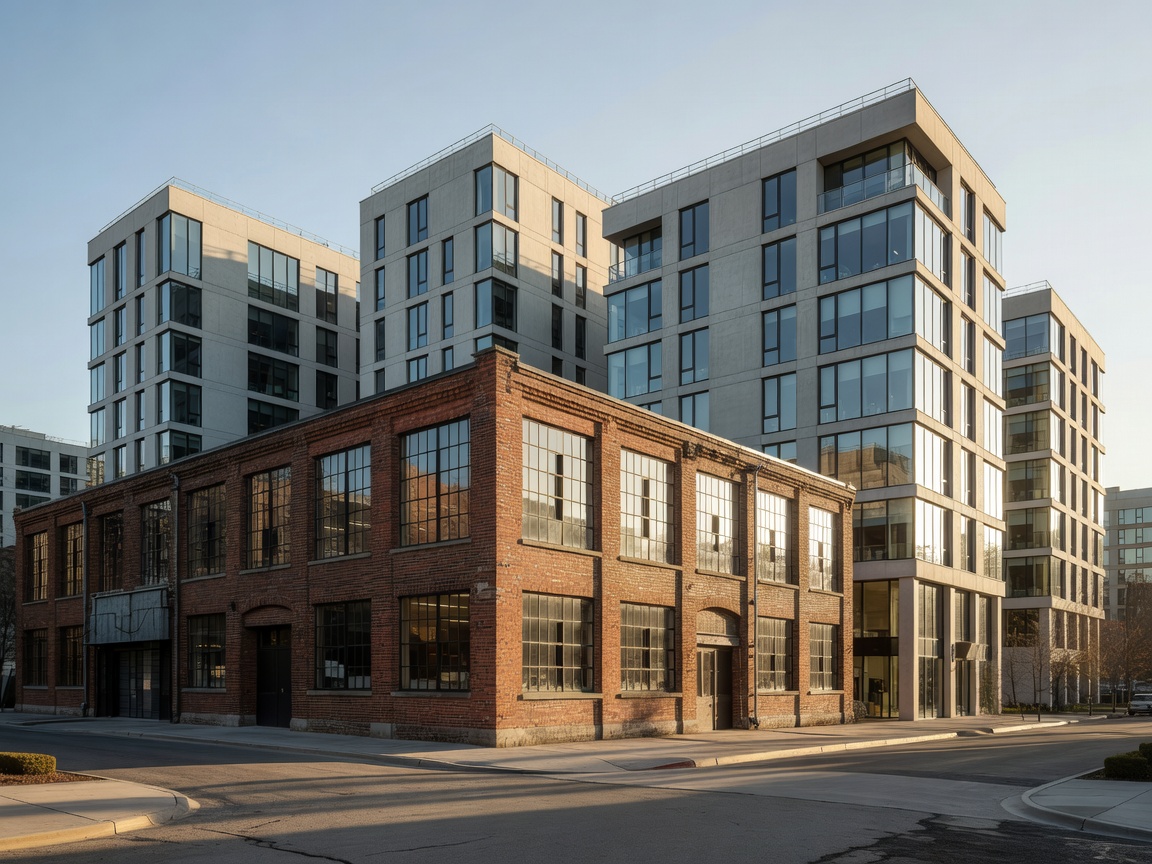
Reading a district through time
Compare the present street plan with historic records where available. Look for changes in transport links, land use and the edges of the built environment. Local archives, planning documents, independent histories and oral-history projects can offer different perspectives. Check dates and attribution carefully, and make clear when an interpretation remains open to debate.
Visitors should remember that historic neighborhoods are lived-in places. Take care around private property, respect local rules and avoid turning residents into scenery. A district’s significance may be visible in public architecture, but its meaning also belongs to the people who use it today.
CONTINUITY
Memory at a familiar site
An established ground may keep a club visibly connected to its surroundings, while its facilities and nearby streets continue to evolve.
TRANSFORMATION
Identity across change
When a setting changes, club identity and community memory may persist, but the relationship with the former site can remain contested.
Good to know
A district’s football history is not a single timeline. Club records, urban documents and personal memories may emphasize different experiences.
What to look for
Changes in street patterns, building uses, former site boundaries, surviving public spaces and how local histories describe change.
History is a conversation with the present
Football districts are continually remade by residents, clubs, developers and public decisions. Their past can illuminate the present, but it should not be used to freeze a neighborhood into one story. Describe the evidence, acknowledge what remains uncertain and make room for the many people who give a place meaning.